




what is patellofemoral pain?
patellofemoral pain, also called patellofemoral joint dysfunction or anterior knee pain, is an umbrella term for pain arising from the joint between the kneecap (patella) and the thigh bone (femur). the kneecap sits in a groove at the front of the femur and acts as a pulley for the quadriceps.
problems arise when the kneecap is pressed too hard into the groove, or tracks too far to one side of it, irritating the cartilage behind it. onset is usually gradual but can follow an injury, and it’s extremely common in runners and in sports that involve running, jumping and kicking.
why it happens.
the diagnosis is usually straightforward. finding the underlying cause is what makes treatment work, and it’s often one or more of these:
- training load errors: more volume or intensity, new terrain, new footwear, a change of technique or coach
- the knee drifting inwards (valgus) with weak inner quads or underactive glutes
- tight hip flexors, quads or iliotibial band (itb)
- a foot that rolls in (pronates) in unsupportive footwear
- compensation for a previous injury
what it feels like.
where the pain is
- intermittent pain around or under the kneecap
- usually a gradual onset
- pain that depends on activity
- possible clicking, but no true locking or giving way
triggers & relief.
makes it worse
- running
- prolonged walking
- going up and down stairs
- squatting
- prolonged sitting
- unsupportive footwear (yes, flip flops)
usually helps
- avoiding aggravating activities
- ice
how we treat it.
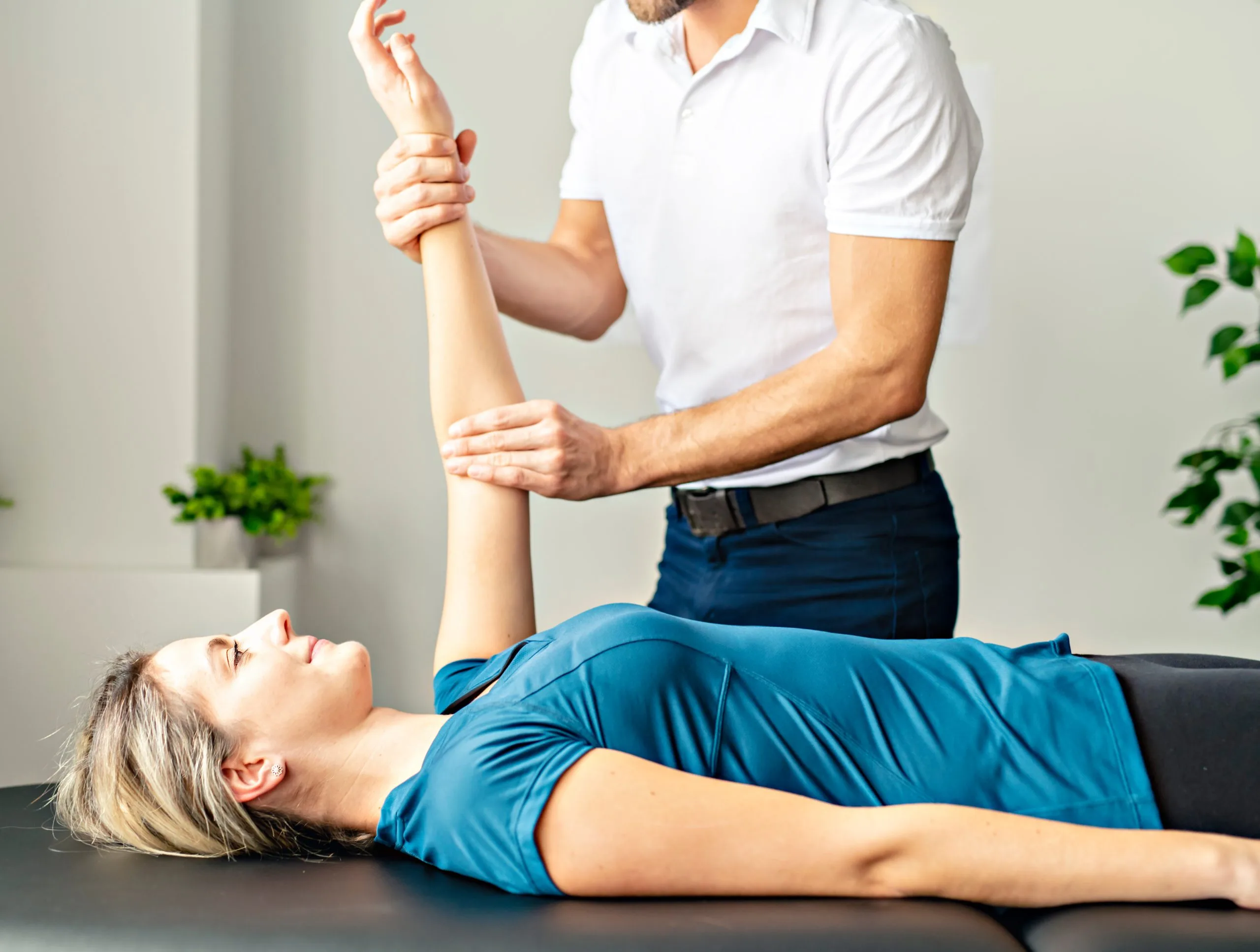
we start every journey with a thorough assessment, the right diagnosis is the foundation of successful treatment. depending on what we find, we typically combine several of the following:
- advice on pain management and adapting your training
- patellofemoral taping (kinesio or mcconnell)
- mobilisation of the kneecap, pelvis and lower back
- soft tissue work on the glutes, tfl, itb, hamstrings and calf
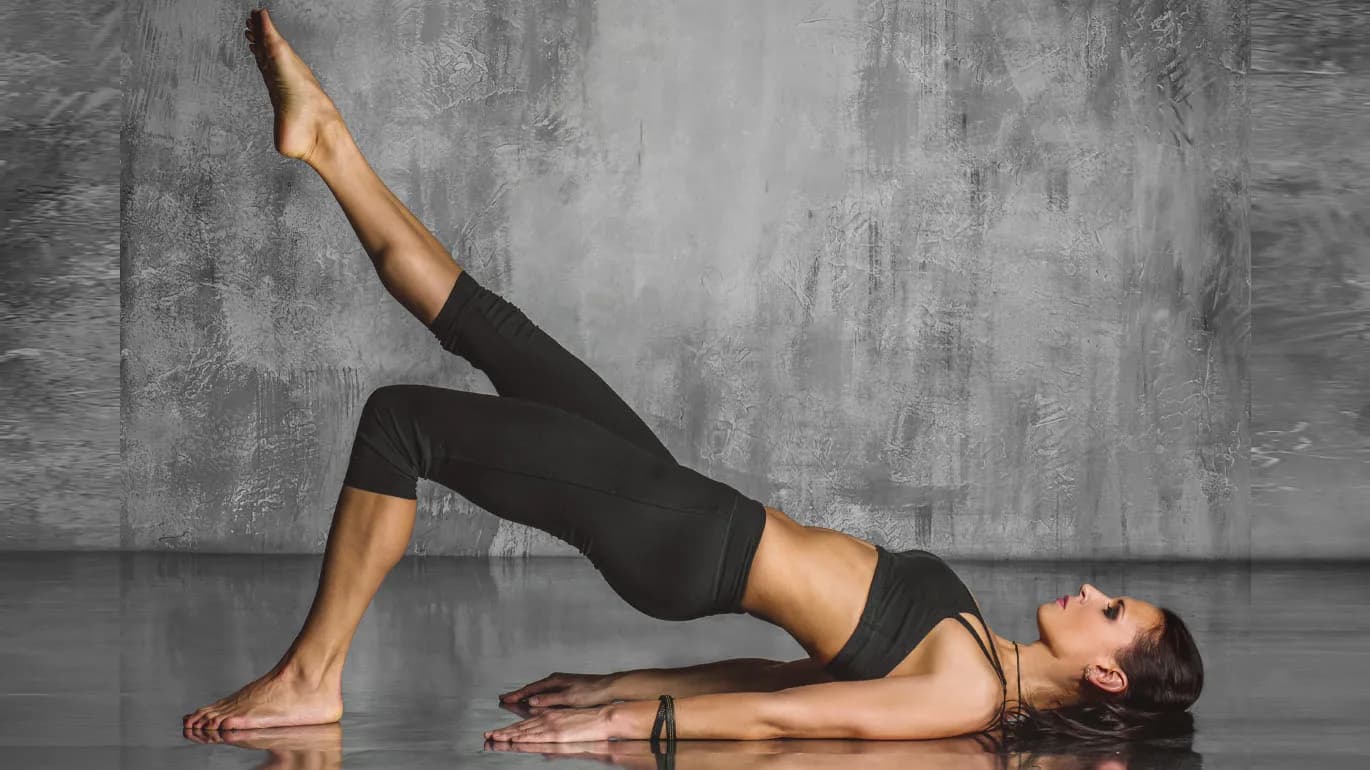
- a progressive strength, stability and balance programme for the hip, pelvis and knee
- a stretching and foam roller programme for tight muscle groups
- anti-pronation taping followed by orthotic fitting where needed
faqs.
do i need a gp referral?
no, you can book directly with us. if you’re using private medical insurance (aviva, vitality, wpa, axa and others) your insurer may require a referral; check your policy before booking.
how many sessions will i need?
most patients resolve acute issues in three to six sessions. chronic or complex cases can take longer. we’ll give you an honest timeline at your first assessment.
what should i bring?
something you can move in, shorts and a t-shirt for lower-limb work, a vest for shoulders. we have changing rooms if you’re coming straight from work.
how soon can i be seen?
we always strive to have same-day availability, and evening and saturday morning slots are available.