




what is shoulder instability?
shoulder instability is when the ball of the shoulder (the head of the humerus) can’t stay centred in its shallow socket (the glenoid). around 98% of cases are anterior, towards the front, but instability can also be posterior or multidirectional.
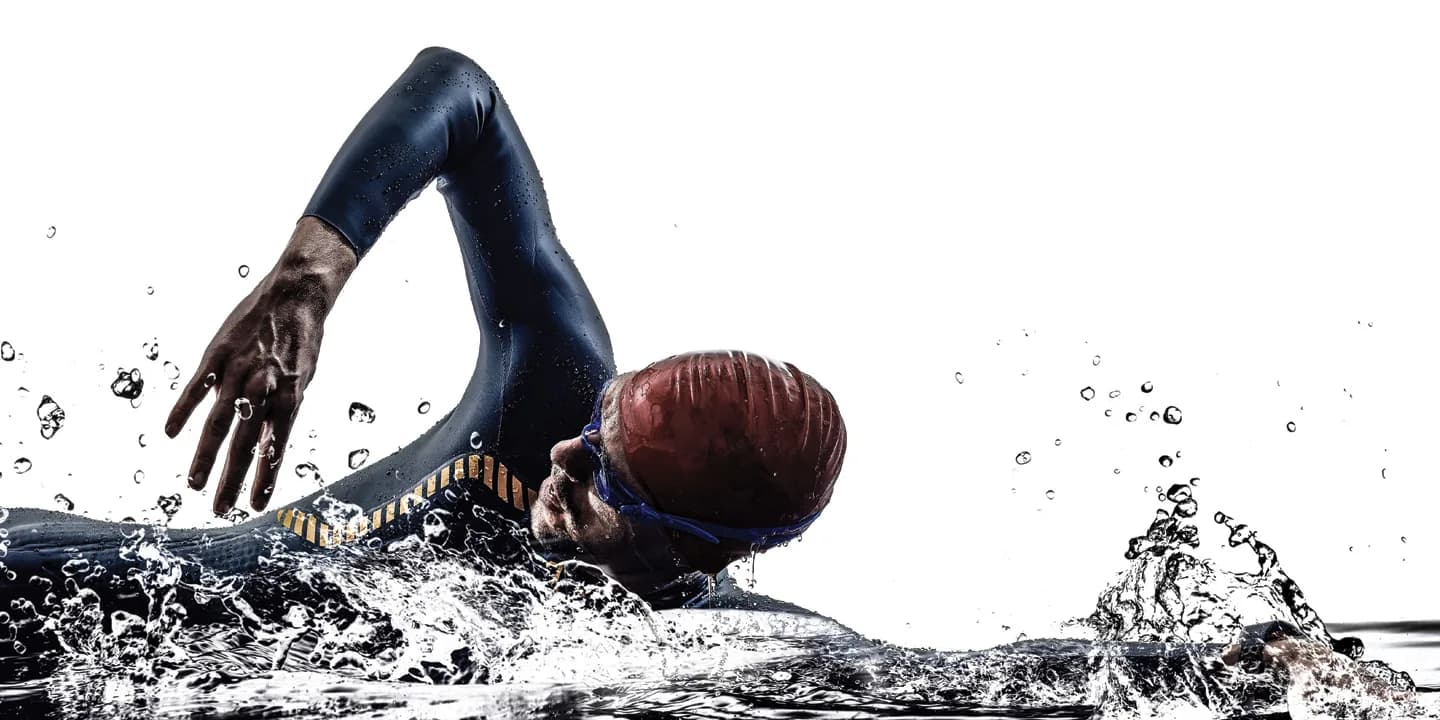
it can follow a dislocation, or develop without any injury through repetitive overload or naturally loose joints. that second type is common in competitive swimmers: an elite swimmer’s shoulders can rotate around 1.32 million times a year, and the hypermobility that helps performance also puts the joint at risk.
why it happens.
the shoulder is often described as a golf ball on a tee. it allows a huge range of movement but has little bony stability. ligaments and the labrum, a rim of cartilage that deepens the socket and increases stability by up to 50%, hold it statically, while the rotator cuff controls it dynamically.
in swimmers the chest and front-of-shoulder muscles tend to become overactive and short, pulling the shoulder forwards, while the muscles at the back become weak and long. this can narrow the space under the acromion and lead to secondary problems such as rotator cuff impingement, tears or tendinopathy, subacromial bursitis and labral tears.
what it feels like.
where the pain is
- a deep ache in the shoulder
- clunking or clicking in the joint
- pain that is activity dependent
- onset that is often gradual, without an injury
triggers & relief.
makes it worse
- the catch and recovery phases of freestyle, butterfly and backstroke
- lying on the shoulder
- overhead activities
- a recent increase in training volume or intensity
usually helps
- support or taping
- avoiding aggravating activities
- ice
how we treat it.
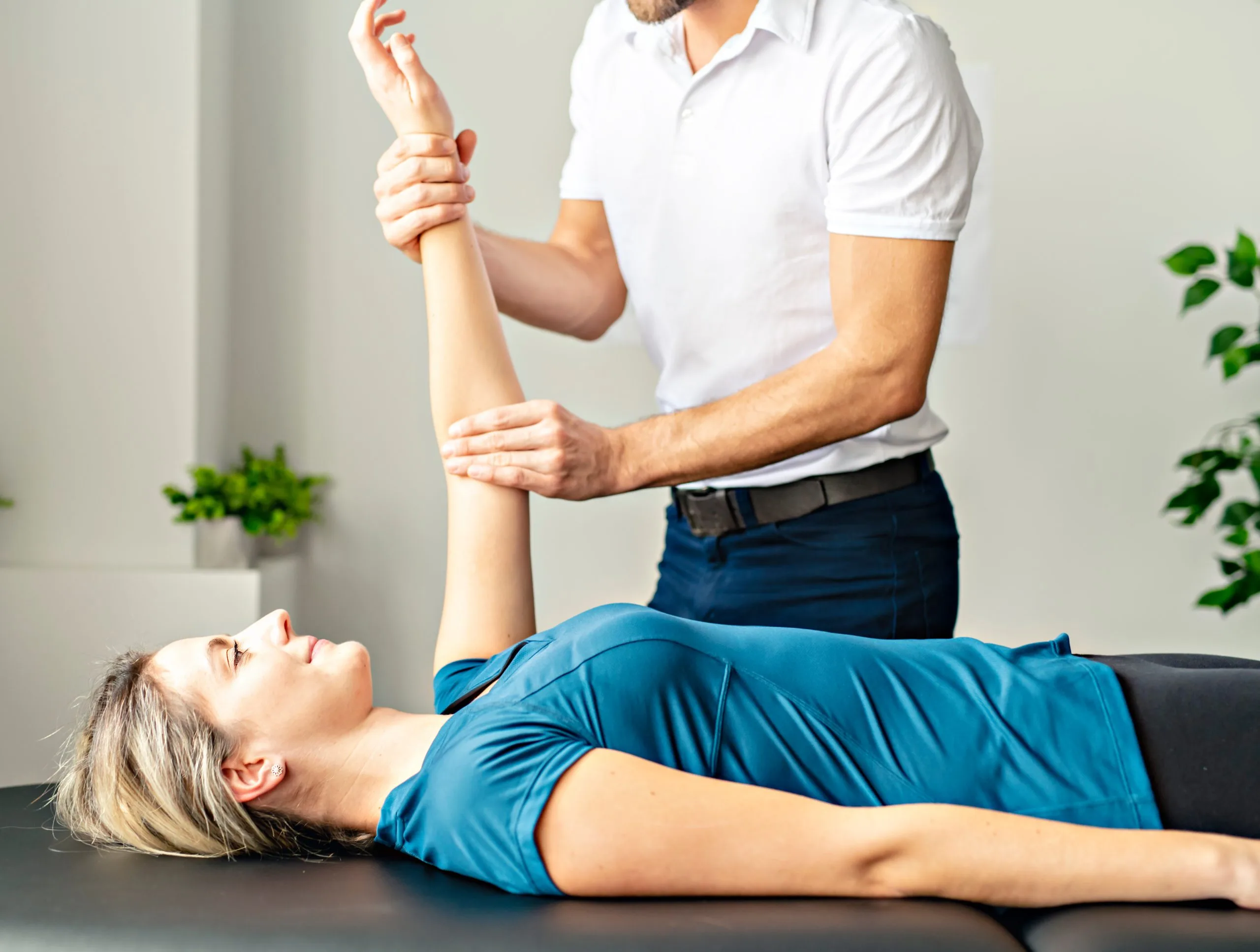
we start every journey with a thorough assessment, the right diagnosis is the foundation of successful treatment. depending on what we find, we typically combine several of the following:
- a detailed assessment, including load and shift, apprehension and relocation, sulcus and hypermobility (beighton) tests
- advice on pain management and adapting training, working with your coach where needed
- supportive taping
- mobilisation of stiff joints, usually in the neck and upper back
- soft tissue work on overactive muscles such as the posterior cuff, subscapularis, pecs and upper trapezius
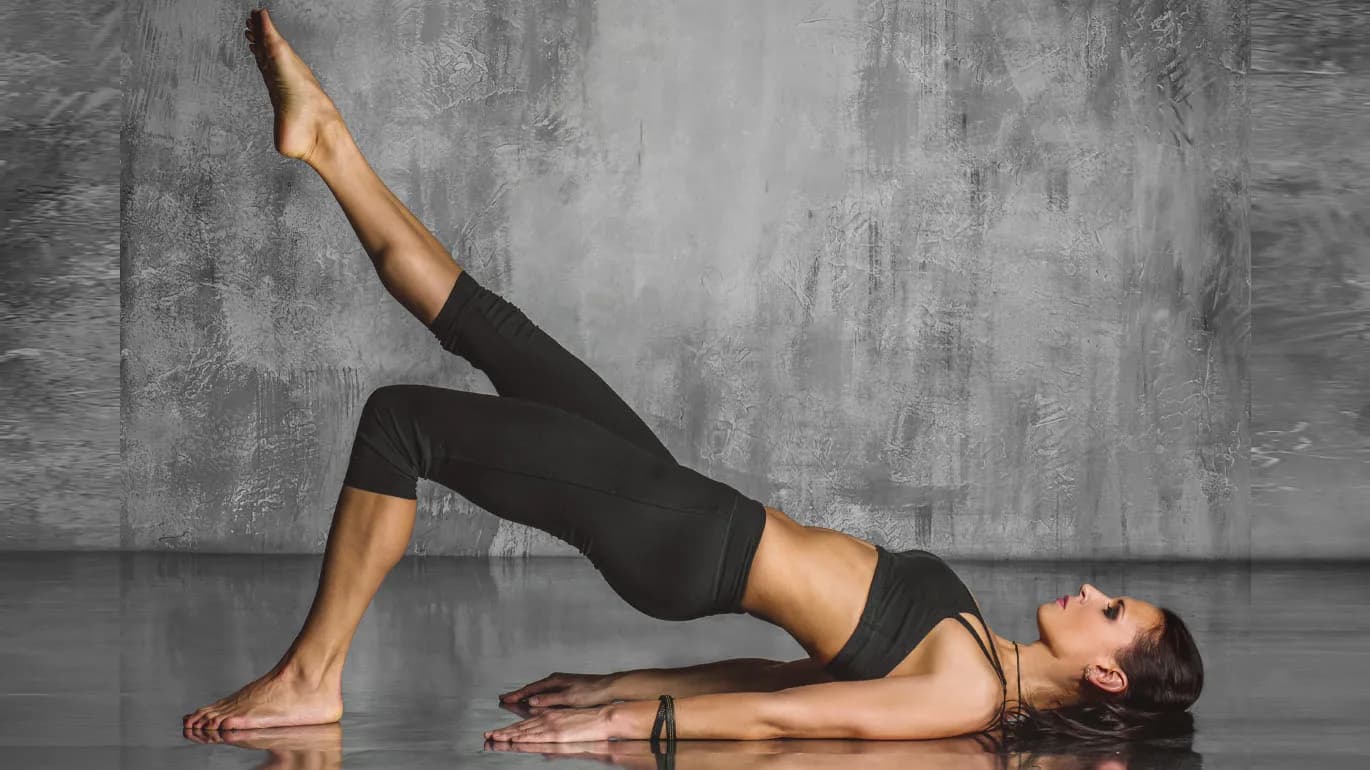
- scapular stability and control exercises, progressing to sport-specific work
- rotator cuff conditioning through a gradually increasing range
- stroke and training programme analysis for swimmers
we can’t tighten ligaments without surgery, so rehabilitation strengthens the rotator cuff and shoulder blade muscles to compensate, improves posture, control and technique, and manages training load.
faqs.
do i need a gp referral?
no, you can book directly with us. if you’re using private medical insurance (aviva, vitality, wpa, axa and others) your insurer may require a referral; check your policy before booking.
how many sessions will i need?
most patients resolve acute issues in three to six sessions. chronic or complex cases can take longer. we’ll give you an honest timeline at your first assessment.
what should i bring?
something you can move in, shorts and a t-shirt for lower-limb work, a vest for shoulders. we have changing rooms if you’re coming straight from work.
how soon can i be seen?
we always strive to have same-day availability, and evening and saturday morning slots are available.